East Side Moving Guide
John Berry, like many city residents, sometimes needs to convince
some people to come to his East English Village antique shop. They hear
his business, EJ Berry Antiques, is in Detroit and many of the city’s
negative stereotypes come to mind.
They go away after the see his far-East-Side neighborhood. He calls
East English Village a sanctuary in the city. “Not many people are
aware of this little pocket,” Berry says. “They have no idea what it’s
like.”
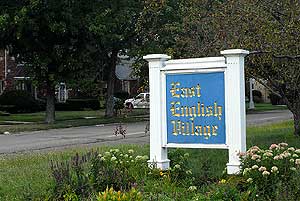 That little pocket is one of the East Side’s most notable areas.
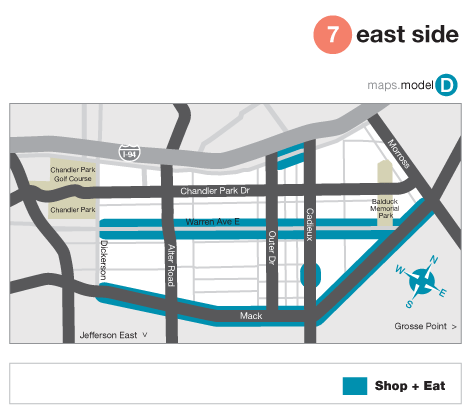
East English Village’s 2,000 homes are between Harper and Mack avenues
to the north and south and Cadieux Road and Outer Drive to the east and
west. The neighborhood is famous for its stunning English colonials and
Tudors under a thick canopy of trees. Intricate yet artistic brick and
stonework grace most of the neighborhood’s houses, making home after
home a head turner.
Local residents named the neighborhood East English Village after
the English theme of many of its streets, such as Yorkshire or
Kensington, and the style of its homes.
“It’s a very rich architectural mix of houses,” says Bill Barlage,
president of the East English Village Homeowners Association. “They’re
very well taken care of.”
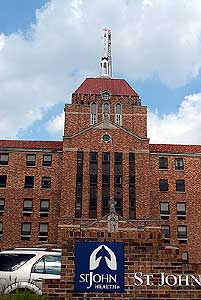 Beyond East English Village lie other stable, well-maintained
neighborhoods of brick bungalows and colonials. East of Cadieux, the
neighborhoods around Balduck Park and St. John’s Hospital
anchor the area’s eastern end. Block after block of early 20th century
wooden working-class homes compose the area west of East English
Village. It’s anchored by new commercial centers filled with chain
stores at the intersections of Warren Avenue/Conner Street and
Mack/Alter Road.
Old downtown-style commercial corridors, such as Mack, Warren and
Harper, bisect the neighborhoods. Mom-and-pop small businesses, such as
Berry’s antique store on Mack and Three Mile Road, occupy most of these
storefronts.
Residents can drive to downtown, Belle Isle, hospitals, schools, parks and the Grosse Pointes in within 20 minutes or less.
“We’re sort of in the middle of just about everything,” Barlage says.
Community spirit, diversity
Barlage cites community spirit and diversity as East English Village’s greatest assets.
 The community is made up of a wide range of people of all colors and
social backgrounds. Both white-collar and blue-collar families buy into
the established housing stock, where prices range from $100,000 to
$240,000.
To Barlage, it’s a positive place where residents take active roles
to improve their neighborhood. That type of community is hard to come
by – a place where neighbors know each other, watch out for one another
and take the time to talk over the fence.
“It feels like an old neighborhood,” Barlage says. “You know people
on different blocks and on different streets. It’s a neighborhood that
embraces everyone. We’re very proud of that.”
The East Side neighborhoods are without their challenges. The
western side deals with some of the more stereotypical Detroit
problems, such as sporadic abandonment and illegal dumping, according
to Maggie DeSantis, a lifelong area resident. However, DeSantis says
organizations like Warren/Conner Development Coalition work diligently not only to bring in new development and strengthen the neighborhood.
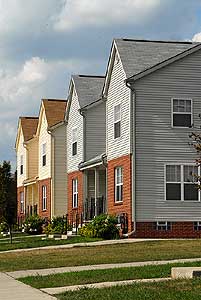
For example, new homes are being built west of East English Village
around Alter. The Morningside development homes range from rentals to
low-income to regularly price. They’re mostly infill homes helping
stabilize the community.
In East English Village, Barlage says the community has “good
relationships with police, the eastern district city hall and the
mayor’s office.” And neighbors pool together to for services like snow
removal and security patrols.
Affordable splendor
 Most of the older homes in and near East English Village, which date
to the early 20th century, can be had at reasonable prices. A recently
established city Neighborhood Enterprise Zone tax break also helps make
the area more affordable.
Colin Hubbell, 47, bought one of those houses near the edge of East
English Village 17 years ago on Audubon Street — one of the most
desired addresses in the area. He’s raised his four children, between
the ages of 10 and 17 there.
The real estate developer and native Detroiter fell in love with the area, its affordability and the people who live in it.
“It’s a diverse community of dedicated Detroiters who enjoy city
living and are willing to keep the neighborhood a place that values
diversity and community,” Hubbell says.
Community assets
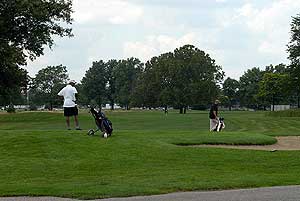
For recreation, Chandler Park, near the intersection of Warren and Conner, has an 18-hole golf course. Wayne County has its Chandler Park Family Aquatic Center
at I-94 and Conner (http://www.chandlerpark.com/). Balduck Park, near
the intersection of Warren and Mack, has plenty of ball fields and hill
for sledding.
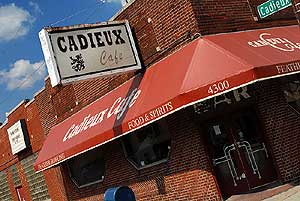 St. John Hospital & Medical Center’s (www.stjohn.org) Moross campus provides access to top-notch health care and doctors.
As far as shopping and dining, there are a variety of places to check out — from cool new eateries like Dish on Mack to well-established favorites like the Blue Pointe and Cadieux Cafe.
For convenience, nearby Eastland Mall in Harper Woods has a Target,
Home Depot, Lowe’s, Macy’s and other major retailers. Plus the
proximity to the Grosse Pointes offers more places to shop in the
Village and Hill areas along Kercheval.
Many of the simple necessities of life, such as pharmacies, hardware
stores, grocery stores, dry cleaners or car dealerships, are within
easy walking distance.
“I can walk to a Starbucks,” Hubbell says. “Yeah, it’s in Grosse
Pointe Park, but having Grosse Pointe Park there is a huge amenity.”
Photos:
A Typical Home on Audobon Street
East English Sign on Outer Drive
St. Johns Medical Center
New Homes on Wayburn and Alter Roads
Chandler Park Golf Course
Cadieux Cafe
All Photographs Copyright Dave Krieger
For more information about the East Side visit the Model D
– Visiting Guide
– Investing Guide
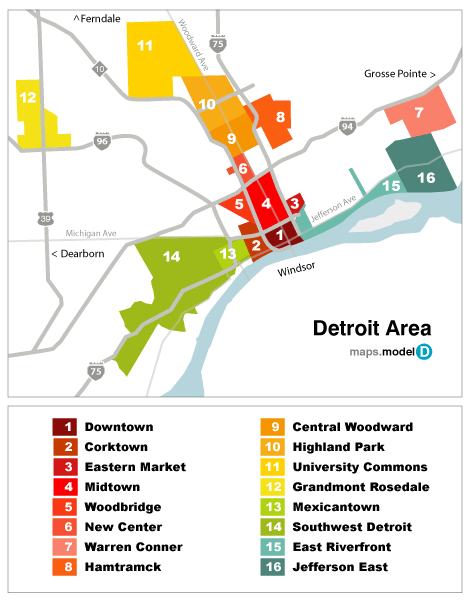
Directions to East Side
From the East:
Take I-94 West and take Exit 223 toward
Cadieux Rd. Stay straight to go onto Edsel Ford FWY East. Turn left
onto Cadieux Rd. and arrive in East Side.
From the North:
Take I-75 South toward Detroit and merge
onto I-94 East via Exit 53B toward Port Huron. Take Exit 223 toward
Cadieux Rd and turn right onto Cadieux Rd. Arrive in East Side.
From the West:
Take I-96 East and merge onto I-94 East
via Exit 190A toward Port Huron. Take Exit 223 toward Cadieux Rd and
turn right onto Cadieux Rd. Arrive in East Side.
From the South:
Take I-94 East and take Exit 223 toward Cadieux Rd. Turn right onto Cadieux Rd. and arrive in East Side.
Take I-75 North toward Detroit and merge onto I-96 W via Exit 48 on
the left toward Lansing. Merge onto I-94 East toward Port Huron and
take Exit 223 toward Cadieux Rd. Turn right onto Cadieux Rd. and arrive
in East Side.
Related Articles

Juneteenth: Freedom’s promise is still denied to thousands of blacks unable to make bail
Just as with so many other criminal justice policies, pretrial detention disproportionately affects African-American men and women, destabilizing black families in the process.

Michigan Adventurer to Bike 1,000 Miles Across State to Spotlight Hidden Form of Domestic Abuse
A Michigan adventurer is biking over 1,000 miles across both peninsulas this summer to raise awareness about economic abuse: a hidden form of domestic violence that affects countless survivors across Michigan.

Detroit schools are making real gains in reading and math: 4 strategies that are working
The city’s schools are making progress faster than peer districts, but that progress could be fragile.