Hey, neighbor: Hamtramck arts fest is community love affair
Daylong event features live music on residential porches, studio crawling, edgy art viewing, and walkable neighborhood charm. Organizers Steve Hughes and Steve Panton tell Walter Wasacz why the Hamtramck art space is the place.
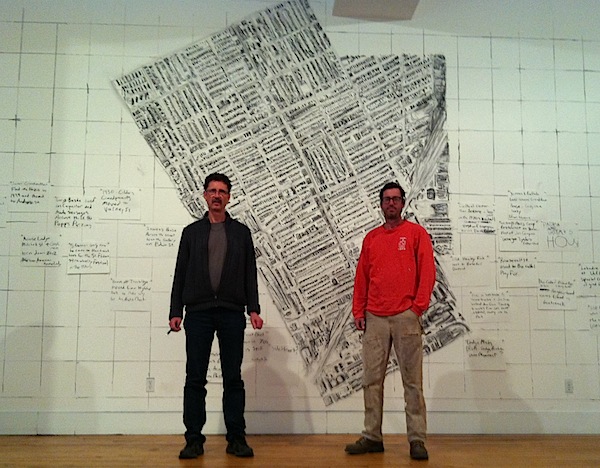
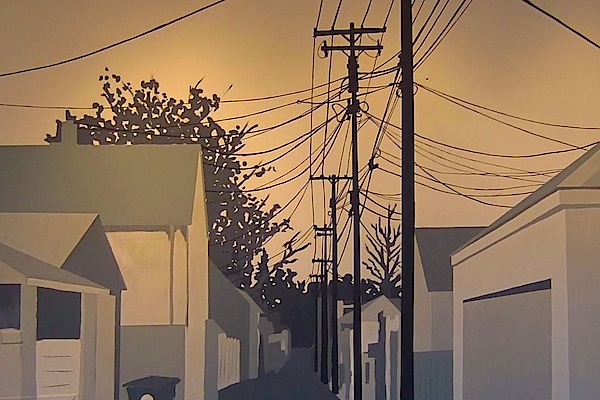
Walk or cycle around the city and you’ll see landmark churches, restaurant-bars converted into mosques, wedding halls remade into Zen Buddhist centers, union halls now Hindu temples.
Others come here to make art, make music, open galleries and performance spaces. Which is where we come in, talking to two tall and talented Steves, Hughes and Panton, who have organized the Hamtramck Neighborhood Arts Festival, held all day in multiple locations this Saturday, Oct. 20, from 1 p.m until, well, late as you choose to make it. Keep these close: a map and a schedule.
Panton is a native of Nottingham, England, an engineer by trade who settled in Hamtramck after spending some time living and working in New Zealand. He runs 2739Edwin gallery and performance space out of his loft.
Full disclosure: I also live in Hamtramck and, in my own meager way, especially compared to the work of these two guys, helped with the planning of this event. I’m also part of the Public Pool team.
Enough preamble, let’s do it. Steve and Steve, take it away:
Steve Hughes: Hamtramck is a walkable neighborhood with a dense population, and a thriving community of artists. Lots of the work that’s happening here never ends up in a gallery. So this is a good opportunity to discover what artists are up too in their own spaces. It’s also a good chance to explore venues and parts of town you might not think about going to. It’s set up to allow you to walk through the city. Eat, drink, art. It’ll be a great day.
Hughes: Probably it surfaced some afternoon at a bar, when someone said it would be really cool to check out artists’ work right in their own studios. I’ve been doing studio visits for years. When I write about artists for Stupor, I first visit them in their space and talk with them about their work. Studio visits are a special sort of experience because you get a chance to meet the artist in their own space surrounded by their work and have oportunities to ask them questions and sort of discover the thoughts behind their process.
Hughes: The Public Pool is a neighborhood art space. We’re interested in creating a dialogue between artists and the many city residents who come by our space. We’re also interested in art as process of discovery, both for the artist and viewer. I think (the current) George Rahme show talks about this last point. Because part of his show is about the creation of his work and how he builds and makes decisions about it, you can stop by anytime, talk to him and see what he’s working on and how it’s changed since the last time. Also George is energized by this contact. So it’s good for the community and the artist too.
Hughes: There’s going to be a huge variety of events. Some artists are opening their houses. It’s a huge privilege to see artists work in their own space and studios. It’s maybe one of my favorite things. To explore and try to understand the ideas behind their work, and see more intimately where and how they’re working. It’s cool. So there’s that, and then of course the galleries will all be open: Public Pool, 2739 Edwin, Popps Packing, the HatchArt headquarters. Also a lot of artist-run alternative spaces will be on view, like the Treasure Nest, Jon Brumit’s Sound House, and the buildings around Popps. Then storefronts on Campau (including Detroit Threads and Lo & Behold Records & Books) will be hosting musical events, some running late into the evening. It’ll be a helluva good time.
Hughes: The organizing concept behind this crawl is a based on a DIY ethic. We’re providing a framework for the crawl but that’s pretty much it. The artists, the storefronts and musicians and galleries are all doing own thing. It’s mostly a neighborhood event for the neighborhood. There’s a lot of great stuff going on all the time and it’s easy to take it for granted or simply not notice. This is a festival that really celebrates our city, and the people that live here. Also we’re trying to set it up in a way that people will feel comfortable walking from space to space.
Hughes: I like the idea of the porch as a stage for the house and neighborhood activity. Porch sitting and barbequing and beer drinking is a great summery activity, even in the fall. I love it also how the structures are lined up to make it so you can look from one porch to the next all down the street. The porches are designed to promote contact between neighbors, not to create private spaces like many suburban designs do.
Hughes: The word “activating” is important. We’re just providing a platform, a framework, a suggestion and the artist/musicians/storefronts/gallery spaces are taking over. It’s going to be colorful. We don’t know what might happen but it’s going to be interesting. Really we’re relying on the artists and musicians to build this themselves. It’s really for them and their neighbors.
Walter Wasacz is Model D’s managing editor. You might find him pouring and serving up beer at the next Public Pool opening.
Related Articles
Partner Partner Content Weather keeping you grounded this season? These 4 tips can help you plan a holiday “staycation” in Detroit
Make the most of the season with a Detroit holiday staycation. From cozy hotel stays to exploring local hidden gems, discover four ways to enjoy the holidays without the travel stress.
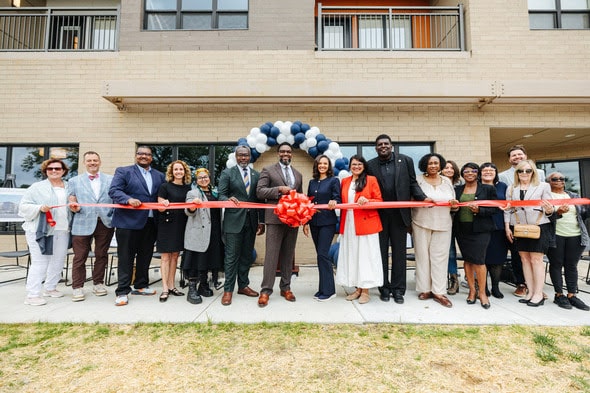
Minock Park Place provides new affordable senior housing for Grandmont Rosedale neighborhood’s older residents
In the heart of Detroit’s Grandmont Rosedale neighborhood, a 42-unit, mixed-use development has given senior citizens brand-new affordable housing. Minock Park Place was seven years in the making, and marks the first affordable senior housing community in the neighborhood, located at 19505 Grand River Ave. — a vital commercial and cultural artery.
Returning citizens face extra hurdles in Detroit’s already challenging housing market
Formerly incarcerated people face numerous challenges in finding housing, often leading them to become homeless or recidivate.