Close up: Pictures and sounds from Ohio’s shrinking city
What does Youngstown look like on the ground? That’s what you all want to know, right? Or, at the very least, you urban planners out there. Youngstown is very much like Detroit. Yet it’s considerably smaller. The blight isn’t noticeable in the heart of downtown, but drive five miles in any direction and you’ll find it. There is a place, less than a mile from Youngstown State University, called Smoky Hallow. There are considerably more tires on an 18-wheeler than houses in this neighborhood. Go east and a little north to the Eastside of Youngstown and it’s pretty much just infrastructure where houses should have been built, but never were. And, in most cases, were built but were burnt down. Go west and south and you’ll end up in Youngstown Westside, where images of Livonia will flash across your eyes. Cross Mill Creek Park, going east again and you’ll end up in Youngstown’s Southside. The Southside, home of former middleweight boxing Champ Kelly Pavilk, is very much like Detroit’s Eastside. It’s vacant, blighted, poor, predominately black. Vacant city blocks are dotted with houses, half of which are blighted. North of that is downtown. Downtown is vibrant, a place for a drink, a show, a bite to eat. There isn’t much living density, mostly banks and bars and restaurants, but it doesn’t stop people from coming down and enjoying Youngstown’s universal neighborhood. What this means is that Youngstown isn’t just one blighted, empty community. Just like Detroit isn’t just the Packard Plant or emptiness and blight. To give you the whole picture (quite literally) here’s three insights into different parts of Youngstown.
Youngstown isn’t just one blighted, empty community. Just like Detroit
isn’t just the Packard Plant or emptiness and blight. To give you the
whole picture (quite literally) here’s three insights into different
parts of Youngstown.
Related Articles
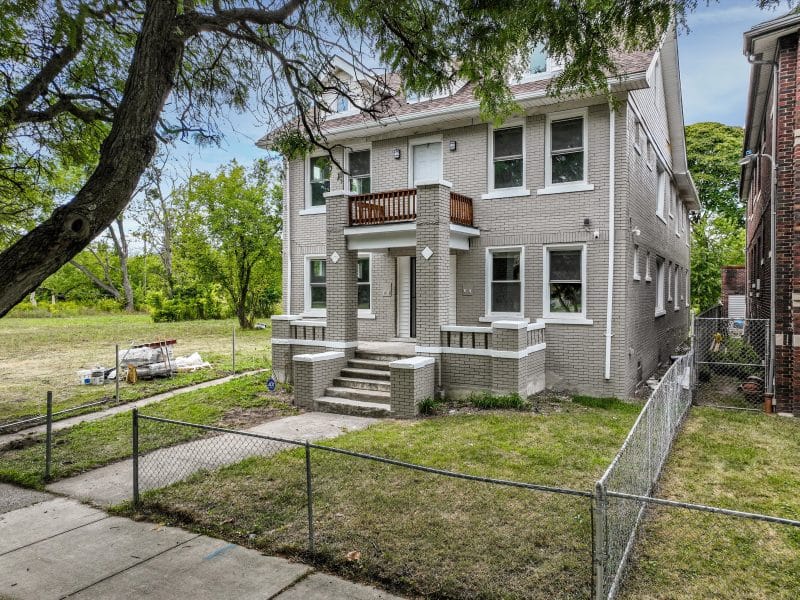
Community developers’ pride for area fuels investment, catalyst for change, growth in Detroit neighborhoods
Community developers know, care for, and invest in their neighborhoods. Together with community development institutions (CDFIs), small development projects can have a huge impact on their neighborhoods, serving as a catalyst for future growth.
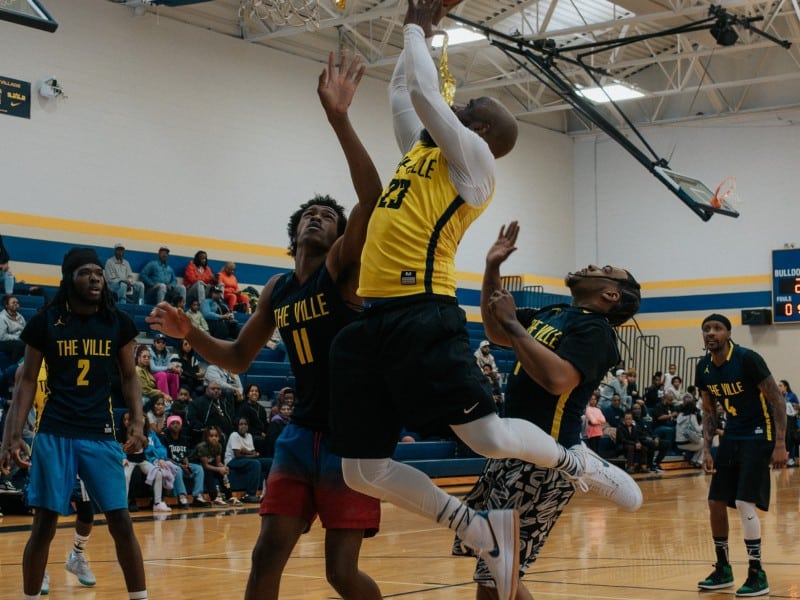
Detroit Veteran Returns Home to Build a Future for Youth Through Outside the Box
Through basketball, community partnerships and a shared commitment to Detroit’s future, Outside the Box is creating new opportunities for the city’s next generation.
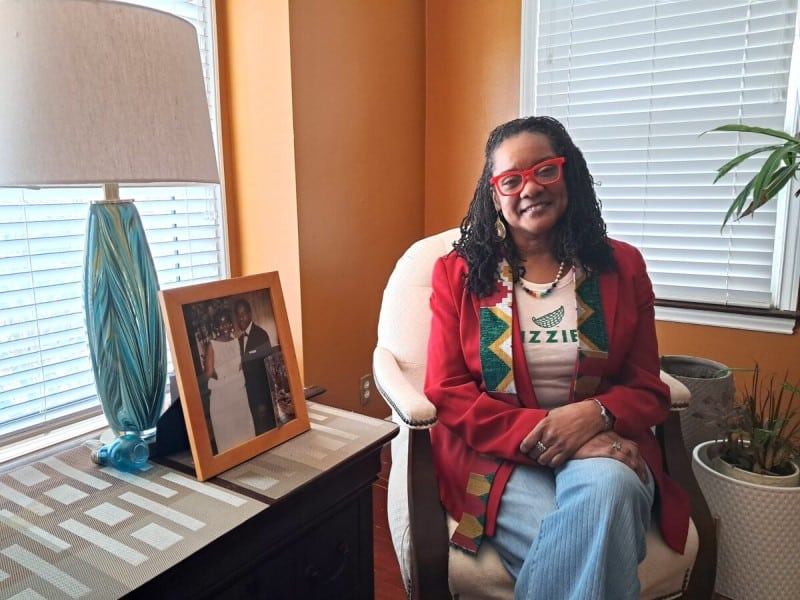
From ‘Tire Lady’ to community stewardship maven: Audra Carson’s evolving mission
Audra Carson’s journey from corporate analyst to founder of Izzie Global shows how one person’s commitment to environmental justice can transform Detroit neighborhoods—even after devastating setbacks.