PHOTOS: Sugar bush ceremony continues, despite police interruption
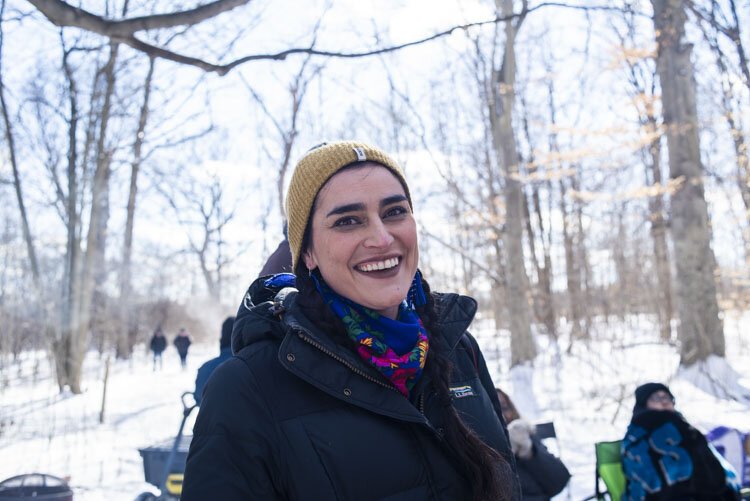
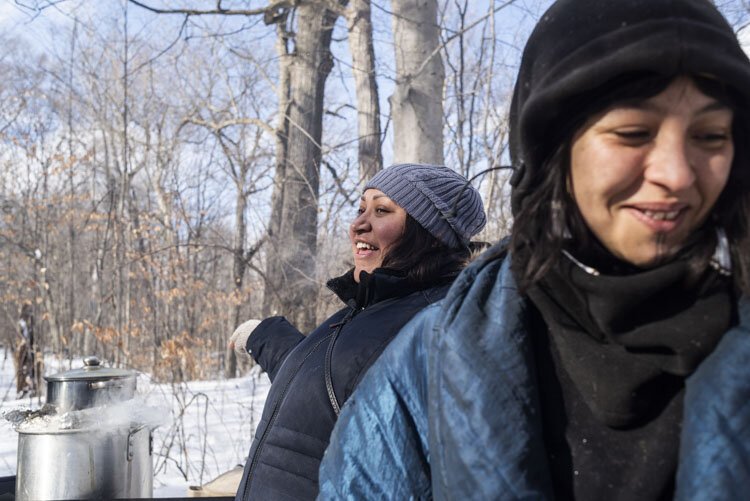
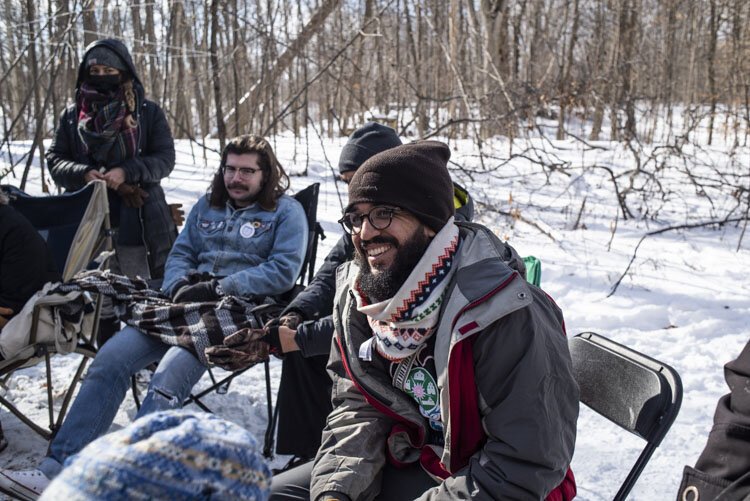
Photographer Rosa María Zamarrón was on hand to capture a sugar bush celebration in River Rouge Park, documenting the resiliency of the community as they gathered to honor the season, despite interruptions from police. This powerful photo essay tells a story of finding joy and strength, in the face of barriers.
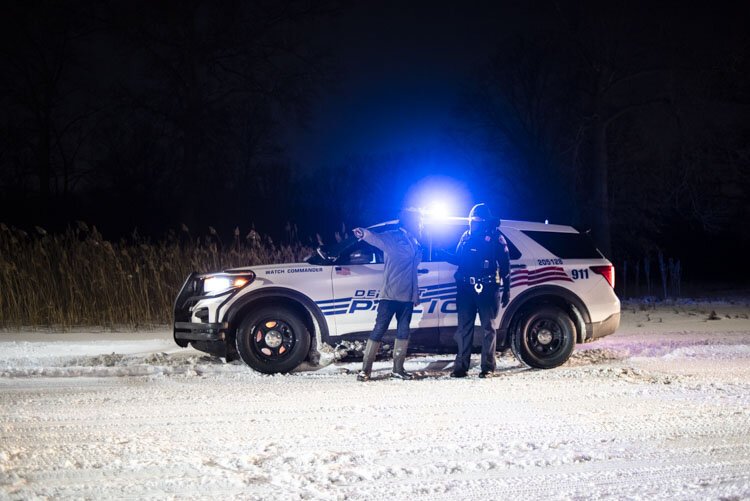
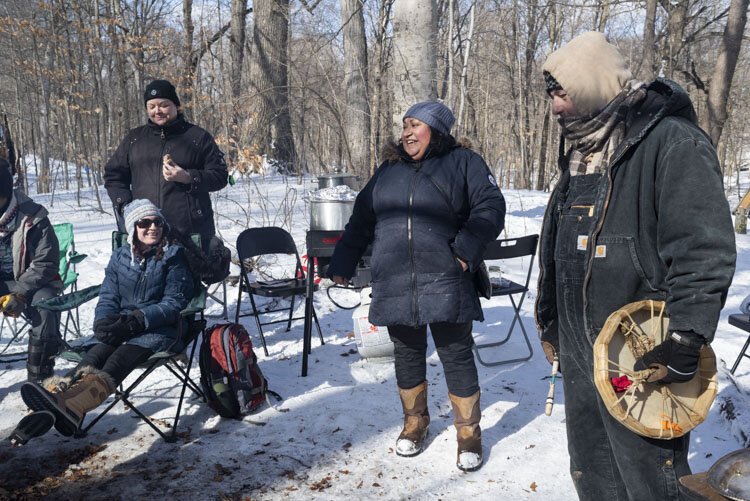
When police shut down a sugarbush celebration, an important ceremony in the Native American calendar, at River Rouge Park on Feb. 18, photographer and documenter Rosa María Zamarrón was on hand to capture the footage that was widely shared on social media. The Detroit Police Department (DPD) has since apologized, and the group gathered again the next day to continue the ceremony.
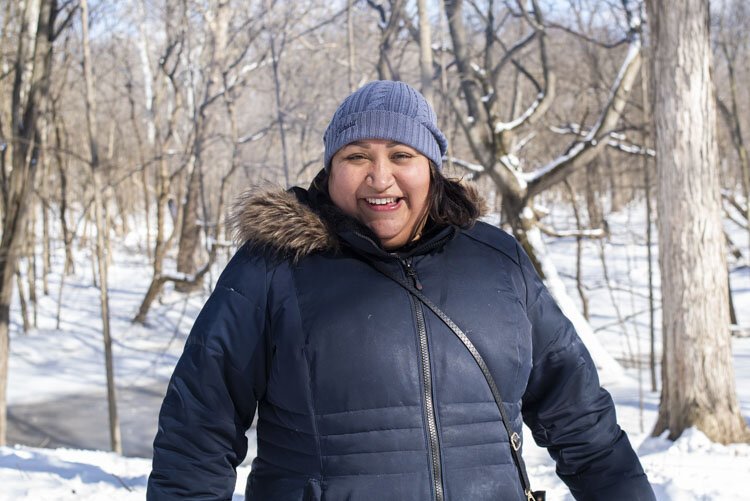
Zamarrón was there to document the resiliency of the community, and the joyful season.
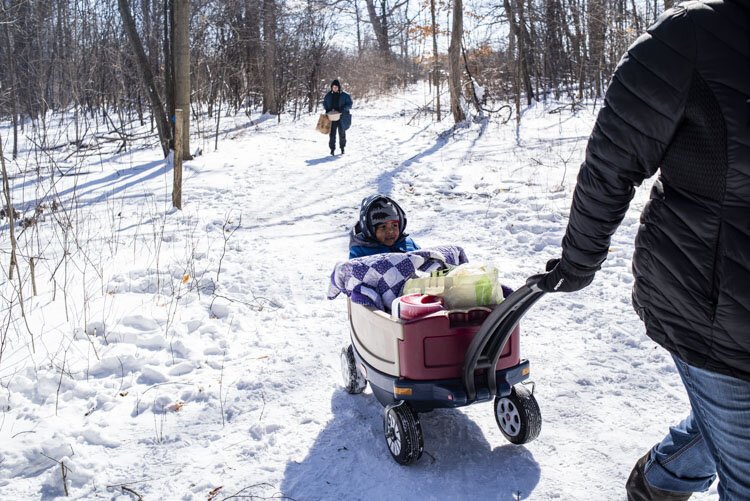
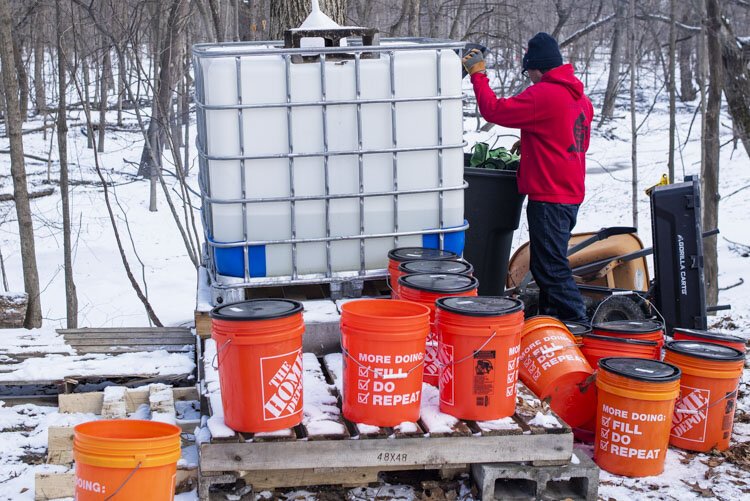
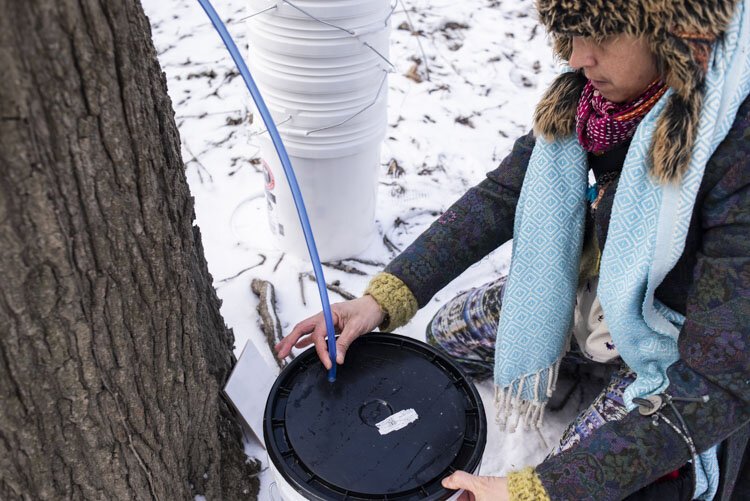
“Maple tapping, depending on where you live in Michigan, starts in late February and can go until April,” says Rosebud Bear-Schneider, an Anishinaabe food educator and organizer of the Detroit Sugarbush Project.
“Traditionally, families that were maple tappers, would set up camp where there was a large concentration of maple trees during this season to tap, collect and boil the sap into syrup or sugar. We refer to this as sugarbush.”
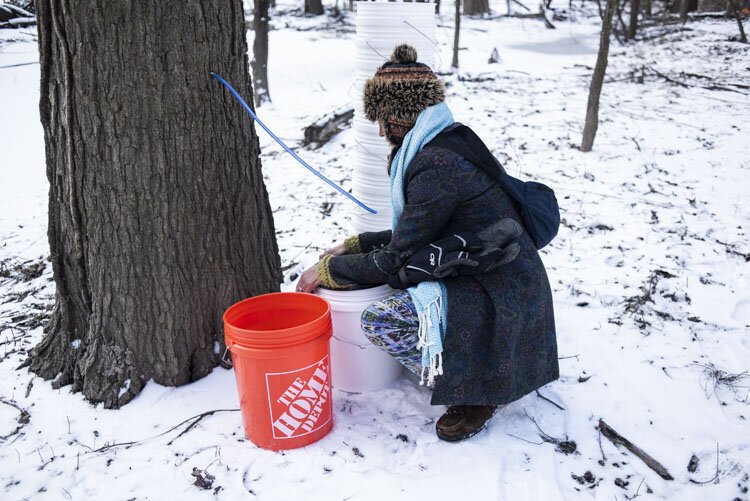
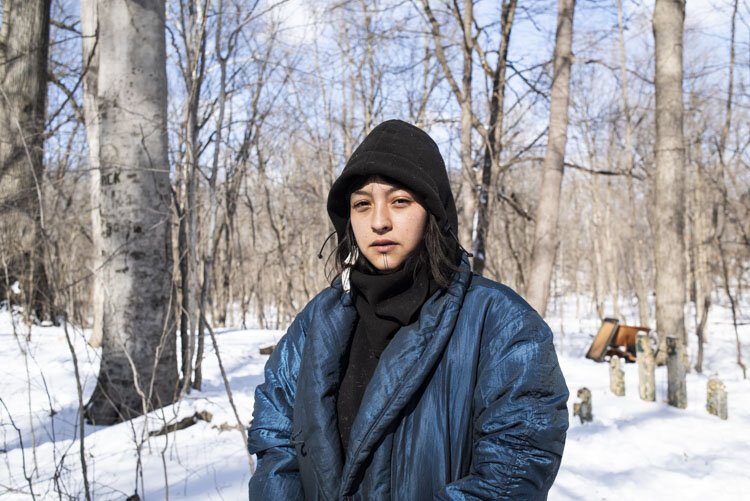
Bear-Schneider says indigenous food sovereignty is an ever-growing movement.
“Sovereignty, in this context, allows indigenous peoples to maintain their land stewardship practices while exercising the right to determine how they will uphold healthy relationships with the land, plants, and animals which in turn provide food for current and future generations,” Bear-Schneider says. “The Detroit Sugarbush project is part of a larger effort happening within the Urban Native Community to reconnect and revitalize our cultural lifeways.”
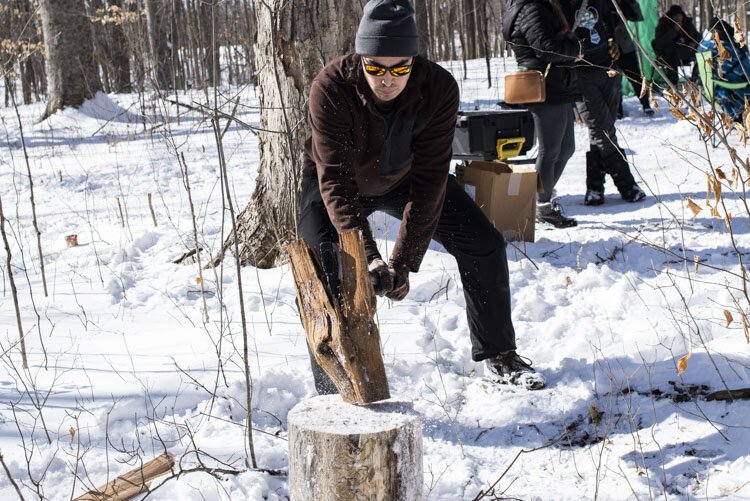
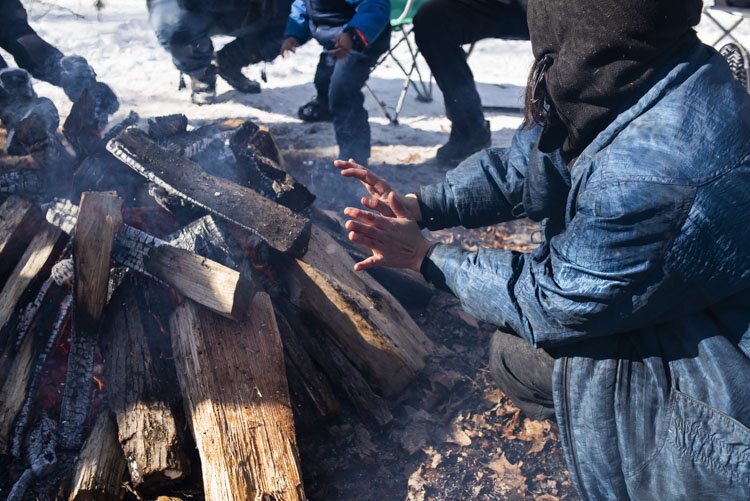
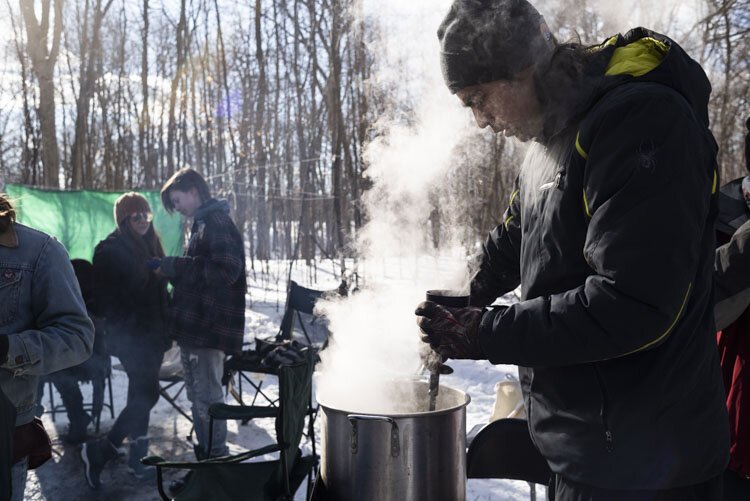
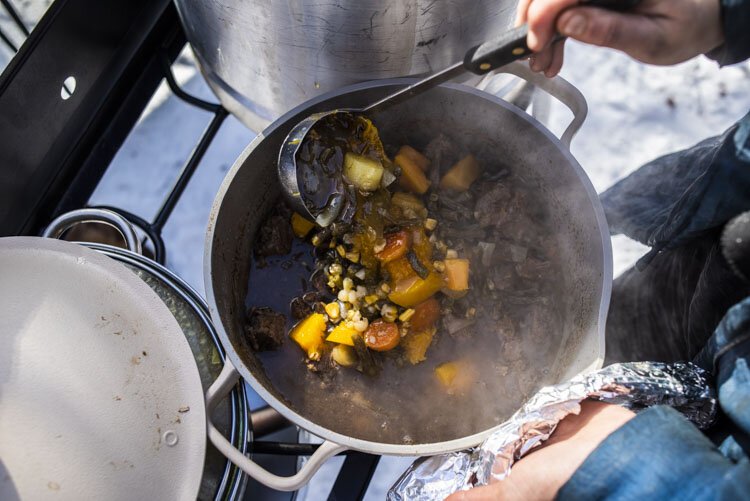
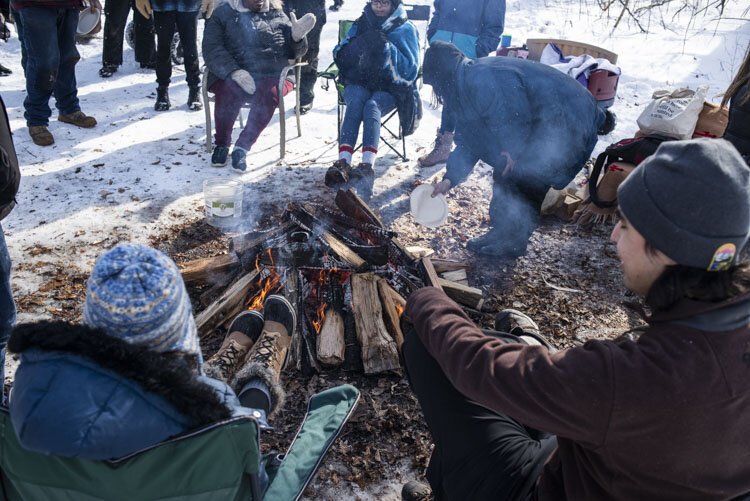
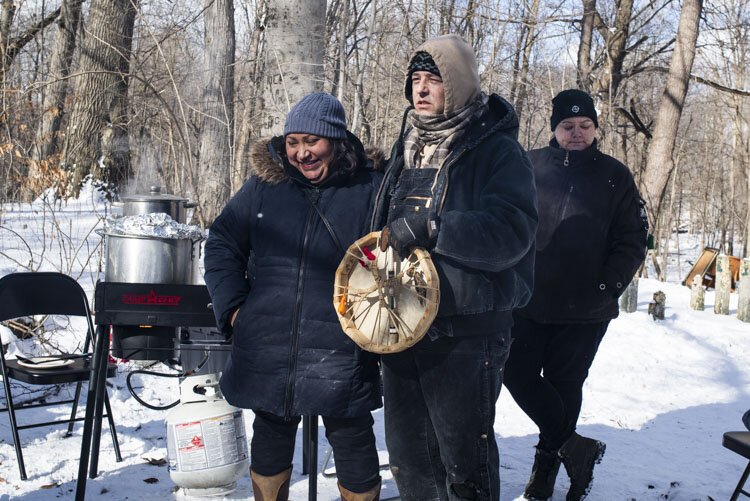
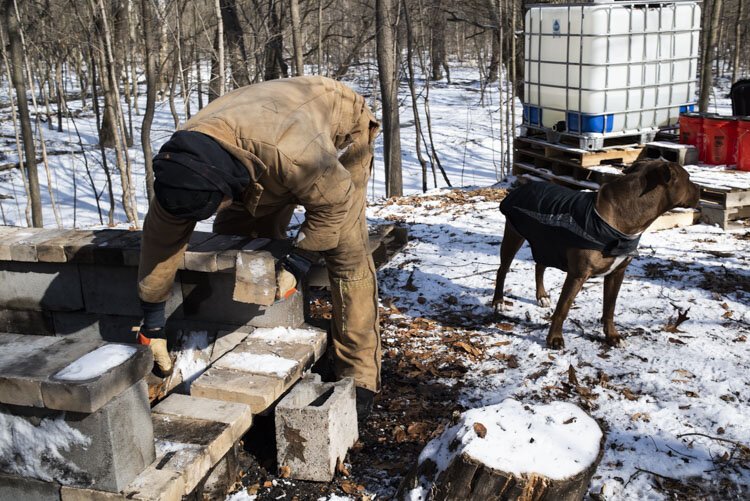
A ceremonial bonfire gathers the community. Traditionally, pots sit over a large fire that is usually kept burning for several days, and as the sap boils down, it needs to be constantly watched and stirred. It takes approximately 40 gallons of sap to make 1 gallon of maple syrup, and can be stopped from boiling over with cedar or balsam branches.
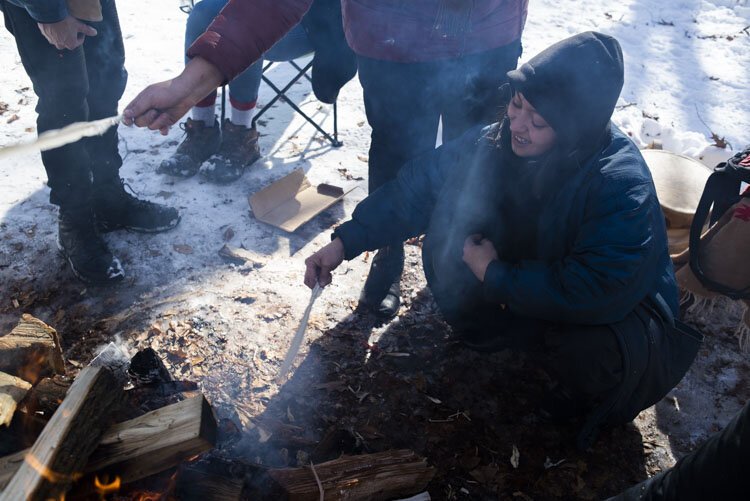
The Detroit Sugarbush project began over three years ago by indigenous community organizers with permission and support by the city, Detroit Indigenous Peoples Alliance, Black to Land, Friends of the Rogue, and elders in the community.
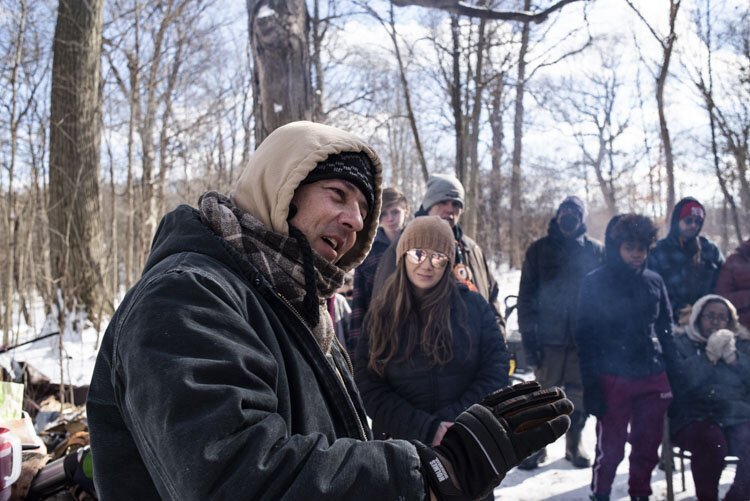
“Participants who engage with this project learn hands-on how to identify and tap maple trees, proper collection, and boil methods,” says Bear-Schneider.
“Any syrup or sugar that is produced goes right back to the community for consumption at no cost. With continued support from the community, we plan to strengthen this project for the coming generations.”

Author

Related Articles
DABO Detroit works to bridge gaps for Black residents
DABO oversees and facilitates carefully chosen programs that empower and service Detroiters like after-school programming, health services, and more.

Detroit Author Curtis Chin is bringing stories of family, food, and identity to Port Huron
Curtis Chin, an LGBTQ+ author, is visiting Port Huron on his Michigan Great Reads book tour. The moderated conversation and book signing of “Everything I Learned, I Learned in a Chinese Restaurant” takes place on Thursday, April 16.
Hope Starts Here stabilizing early childhood services in wake of policy changes
Long-term perspective keeps Hope Starts Here imperatives relevant despite policy changes.